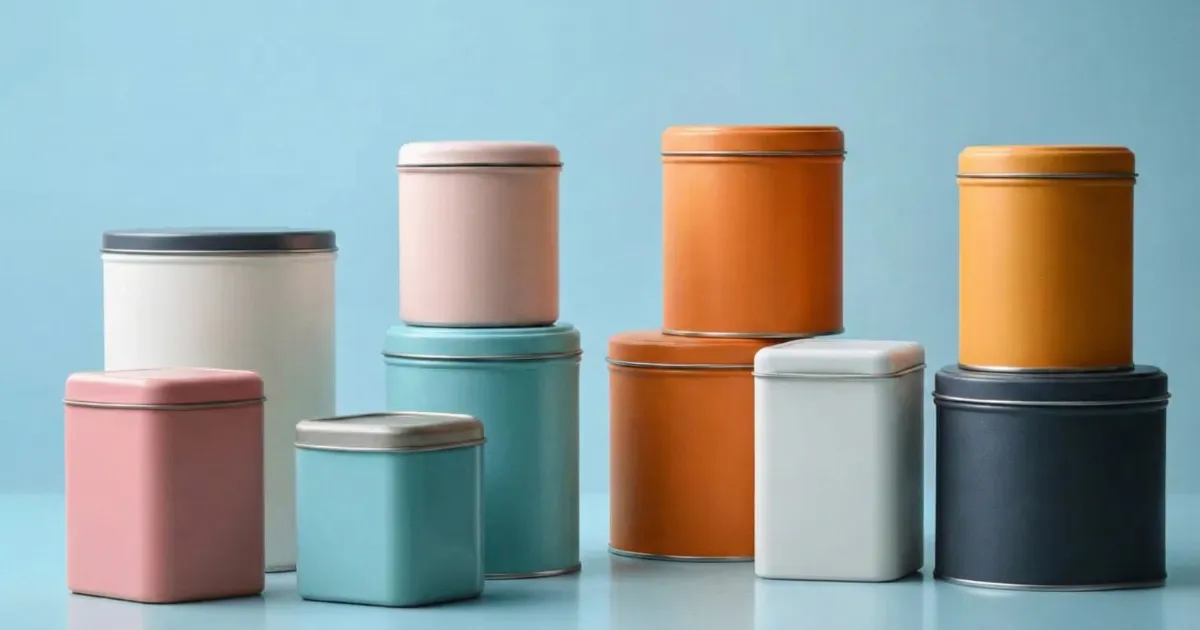
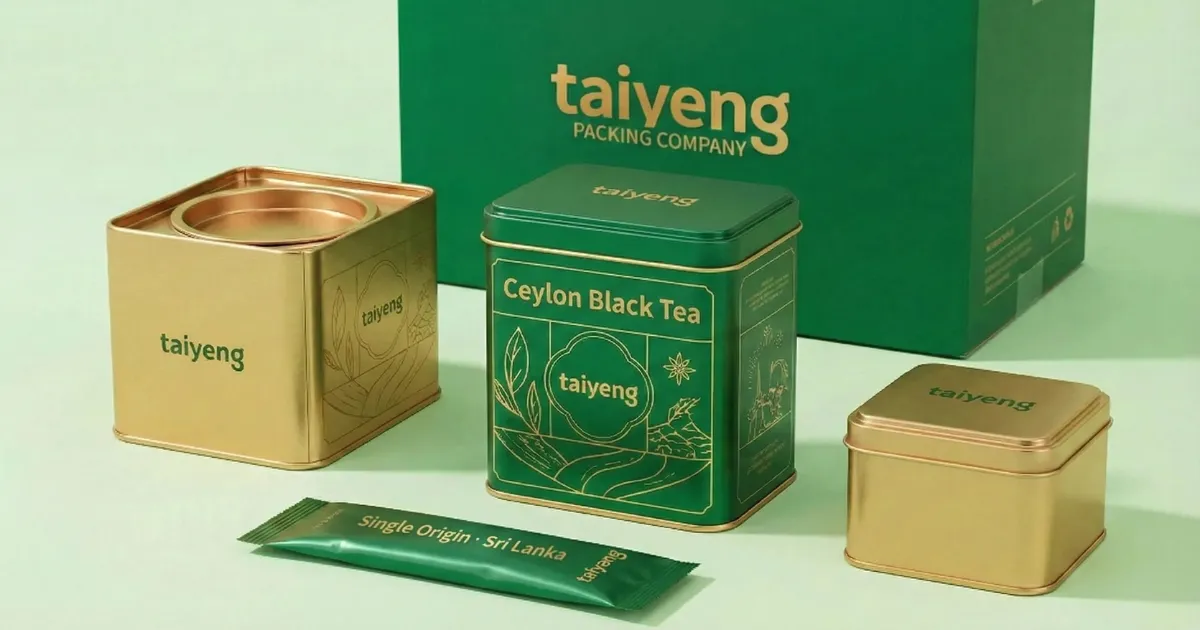
Among all kinds of metal packaging materials, tinplate is the most widely used and highly discussed one.
From the familiar biscuit tins, coffee cans, tea cans, milk powder cans, to exquisite gift boxes, badges, cultural and creative storage boxes, most of them are made of the same material: tinplate.
This article will start from ” what is tinplate “, ” tinplate material characteristics and origin “, ” tinplate advantages and disadvantages “, and extends to the actual application of tinplate cans, tinplate boxes, tinplate badges and other finished products, to help you once grasp this metal packaging industry’s key materials.
What is tinplate? How do you say “tinplate” in English and Japanese?
Tinplate
Tinplate Japanese: Buriki
Tinplate, formally known as tin-plated steel sheet, is a metal material made by plating a layer of tin on both sides of a cold-rolled low-carbon thin steel sheet.
The structure generally consists of:
- Steel Substrates (Low Carbon Steel)
- Tin-iron alloy layer
- Tin Layer (Sn)
- surface oxide film
- Protect oil film
Such a structure allows the tinplate to be both:
- Strength and rigidity of steel
- Tin’s rustproof, corrosion-resistant and odorless properties.
- Excellent printability and molding processability
Therefore, it is especially suitable for all kinds of metal packaging materials, including food cans, chemical cans, pharmaceutical packaging, cultural and creative gift boxes, and so on.
The origin of the name “Macouchetti”: Is it related to Macau?
Many people think that ” tinplate ” is the name of a certain kind of real estate, but it is actually related to history.
- In the mid-Qing Dynasty, China began to import tin-plated steel sheets (foreign iron) from Macao.
- At that time, “Macau” was anglicized as “horse mouth.”
- This tinned steel imported from the “horse’s mouth” is therefore called “tinplate”.
Tinplate = tinned steel sheet from “Macau” → the name is still used today.
The official scientific name is “Tinplate”, but in the Chinese industry, “tinplate” has become the default name.
Third, tinplate material properties: why so many packages choose it?
1. Rust and corrosion resistant
The surface of the steel plate is coated with a layer of high purity tin (usually > 99.75% pure), which is an effective barrier to air, moisture and contents, minimizing the chance of rust and corrosion of the steel plate.
2. non-toxic, odorless (food grade)
It meets the standard of food grade tinplate, the tin layer itself is non-toxic, odorless, and with the internal coating process, it can pass the food contact material related tests, and is the material for cans, biscuit cans and tea cans.
Answer to “Is tinplate toxic?
Generally speaking, food-grade tin plates used for food packaging are considered safe and non-toxic under proper conditions of use:
- Is it from a qualified tinplate manufacturer
- Availability of qualified internal coatings and processes
- Compliance with local food container regulations
3. Good opacity and light barrier
The metal itself is impervious to light, which prevents oxidization and deterioration of food products caused by light, which is especially important for tea, coffee, health products and powdered food.
4. mechanical strength, impact resistance, good stacking
Tinplate is made of steel, which is strong and not easy to be deformed by extrusion, and is safer and more reliable for transportation and stacking storage than glass and plastic.
5. Good printability and texture.
The surface can be directly color printed, varnished, matte, partial light and other effects, finished products such as tinplate boxes, tinplate cans, tinplate badges are very suitable for branding design, the overall texture is better than the paper box and general plastic packaging.
6. Recyclable and environmentally friendly
Tinplate is a 100% recyclable metal and can be recycled after recovery, which is in line with the current global trend of recycling economy and environmental protection packaging.
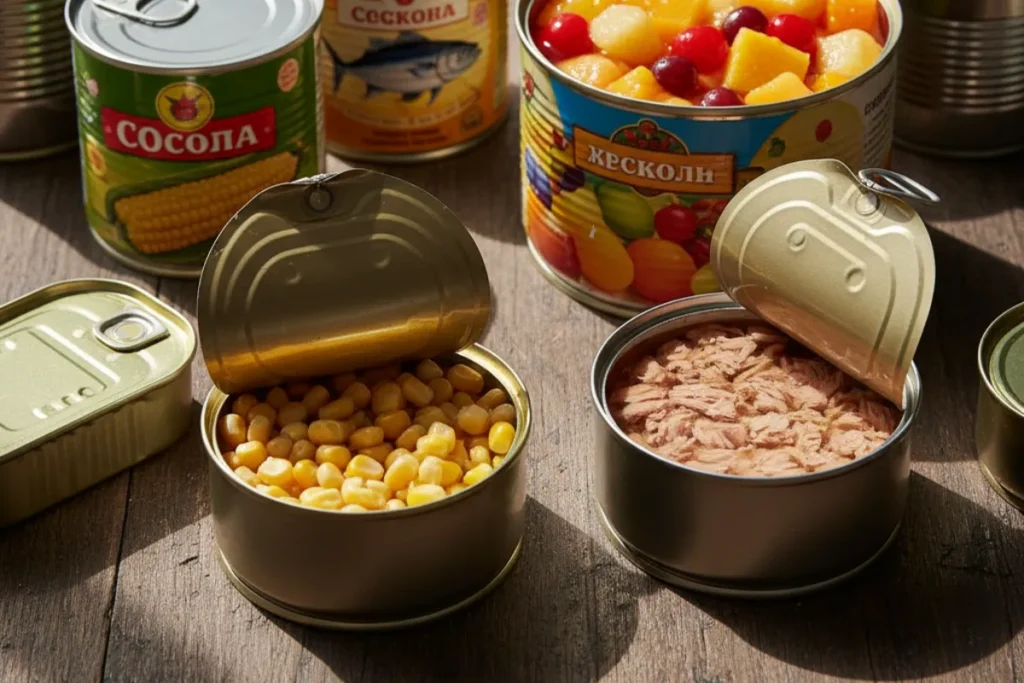
Four, tinplate advantages and disadvantages of the organization (once to see and understand)
Advantages of Tinplate
- Rust and corrosion resistant: Tin layer and protective film can effectively delay rusting.
- Excellent moisture-proof sealing: with metal cap or roll seal, it can completely isolate air and moisture.
- Good light-blocking effect: suitable for food, health care products and special chemicals that are afraid of light.
- High strength, drop and pressure resistance: suitable for export transportation and long term stacking.
- High-quality appearance: suitable for gift boxes, co-branding, limited brand packaging
- Easy to print and process: Various shapes and print designs can be created.
- Good recyclability: environmentally friendly metal packaging material
Tinplate defects
- Higher cost: Higher unit price and molding cost compared to paper box and some plastic packaging.
- Heavier than Aluminum: Compared to aluminum and plastic cans, the weight is heavier and the transportation cost is slightly higher.
- The plating layer is afraid of scratches: If the tin layer scratches and exposes the steel, it will be easy to rust under the impact of high humidity environment.
- High cost of customized shape: special shape tinplate box, tinplate cans need to open mold, small amount of production does not have the cost advantage.
Therefore, in practice, most customers will use tinplate:
- Need texture + brand image packaging
- Products that require long term storage, light barrier, and moisture barrier.
- Gift boxes, co-branded limited editions, and appearance-conscious product lines.
Tinplate production method: hot-dip tinning vs electroplated tinning
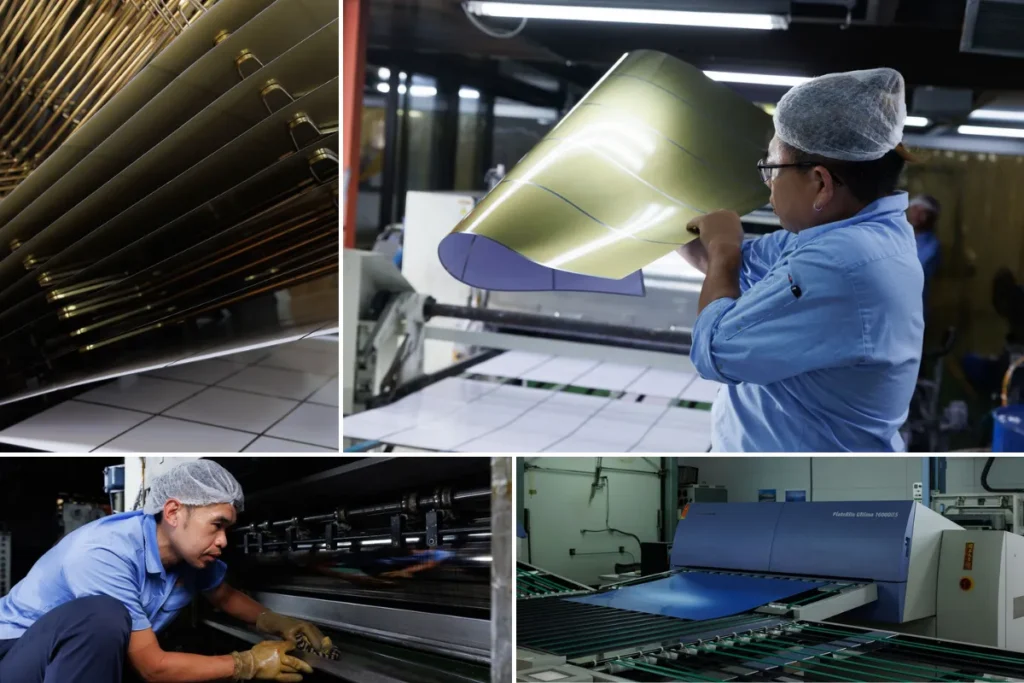
Hot-dip tinned steel plate
By immersing the steel plate in molten tin, the overall coating is thicker and has better anti-corrosion properties, which is common for some special applications.
Electroplated tinplate (today’s mainstream)
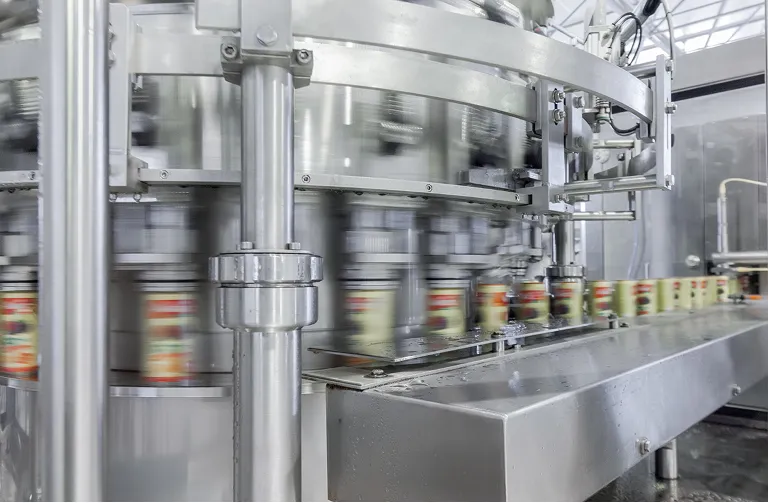
The use of electroplating, precise control of the thickness of the tin layer, the surface is fine, suitable for high-precision printing and thin plate applications, is currently the mainstream material for food packaging, tinplate cans, tinplate boxes.
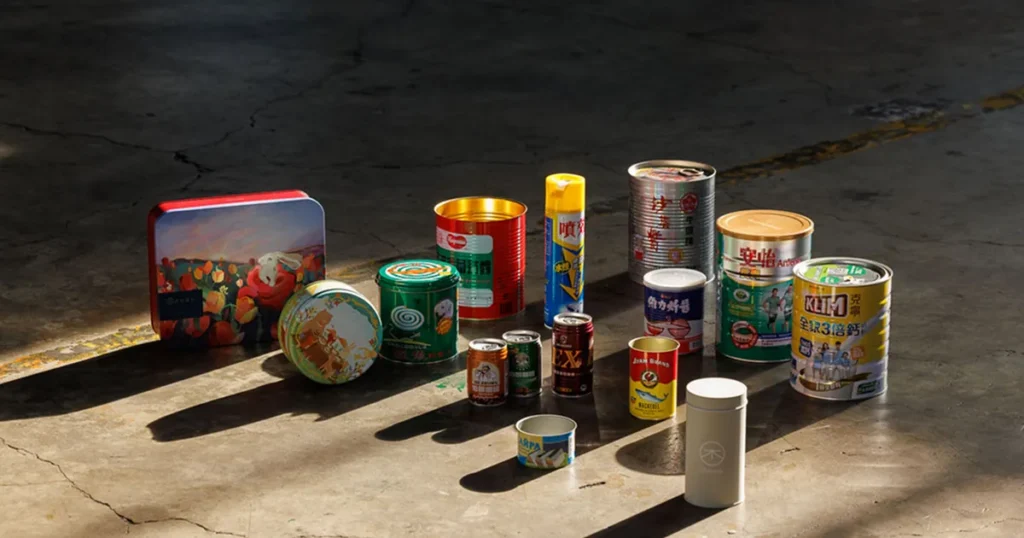
The difference between tinplate and stainless steel: how to choose?
| Project | Tinplate | Stainless Steel |
|---|---|---|
| Structure | Tin Plating on Steel Plate Surface | Contains chromium, nickel and other alloying elements |
| Rust prevention | Dependent on tin and coating | High corrosion resistance |
| (manufacturing, production etc) costs | Relatively low | Relatively high |
| formability | Good ductility, suitable for sheet and roll sealing cans. | Harder, no rules for deep-drawing and molding, high cost |
| Applications | Cans, tin cans, gift boxes, tinplate badges | Kitchenware, Medical Equipment, Building Materials, Heavy Industry |
| outlook | Color printing and high degree of design freedom | Good texture of original metal color, but printing is more limited. |
- For fine printing, branded appearance, moisture-proof sealing and cost → Mostly tinplate.
- Acid, alkali, high temperature, high pressure, mechanical structure → Stainless steel is preferred.
Common tinplate products: from cans to creative gift boxes and badges.
In practical terms, tinplates are very diverse, and the following are some of the major types commonly found in the industry:
1. Tinplate Can
- Cookie Jar, Candy Jar
- Tea cans, coffee cans, powdered food cans
- Milk powder cans, nutrition cans
- Some beverage cans, functional beverage packaging
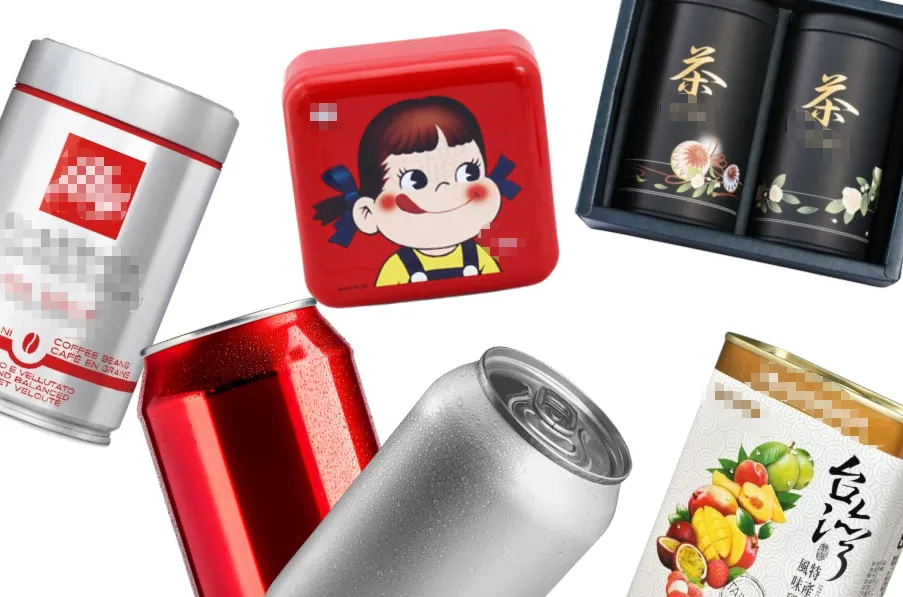
Good sealing, moisture-proof, light-blocking, suitable for long-term storage
2. Tin Boxes
- Gift Box Packaging (Mid-Autumn Gift Box, Festival Gift Box, Brand Co-branding Gift Box)
- Stationery box, storage box, jewelry box
- Scented Candle Boxes, Scented Gift Boxes
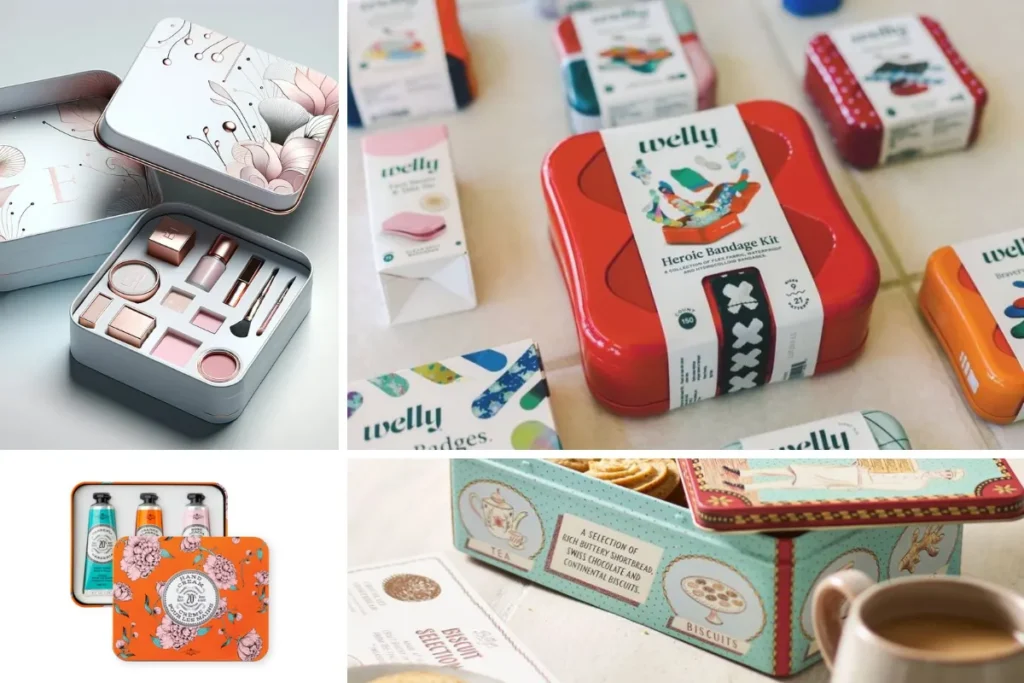
Emphasize the appearance of texture and brand image, suitable for color printing and special modeling
3. tinplate badges, cultural and creative objects
- Lapel pins, badges, pins
- Cultural and Creative Metal Plates and Medals
- Iron hangtags, branded gadgets
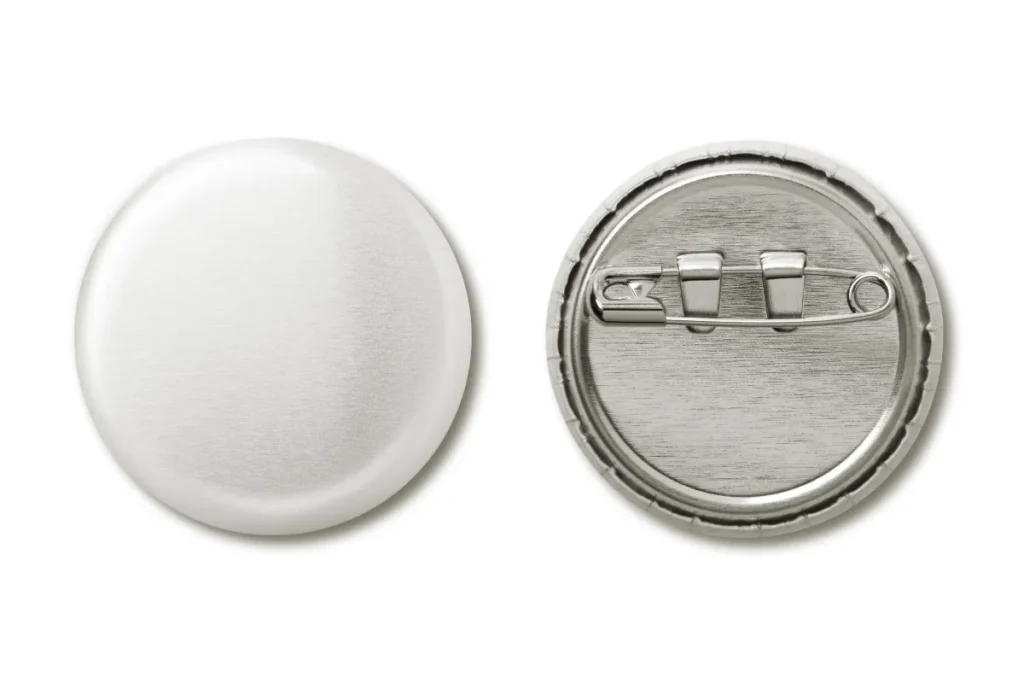
Tinplate can be stamped into thin sheets and printed with delicate patterns, suitable for cultural, creative and IP-licensed products.
Tinplate in Emerging Industries
In addition to traditional uses such as food cans, beverage cans, and chemical containers, tinplate has become the packaging material of choice for many emerging industries and high-value products as market demand evolves. Its durability, light-blocking properties, fine printing and high quality appearance have expanded the use of tinplate from food to cosmetic, health care, cultural and creative, technology and other fields, making it an important packaging solution for brands to create differentiation.
1. Cosmetics & Nutraceuticals Industry: Enhancement of Product Quality and Preservation Capability
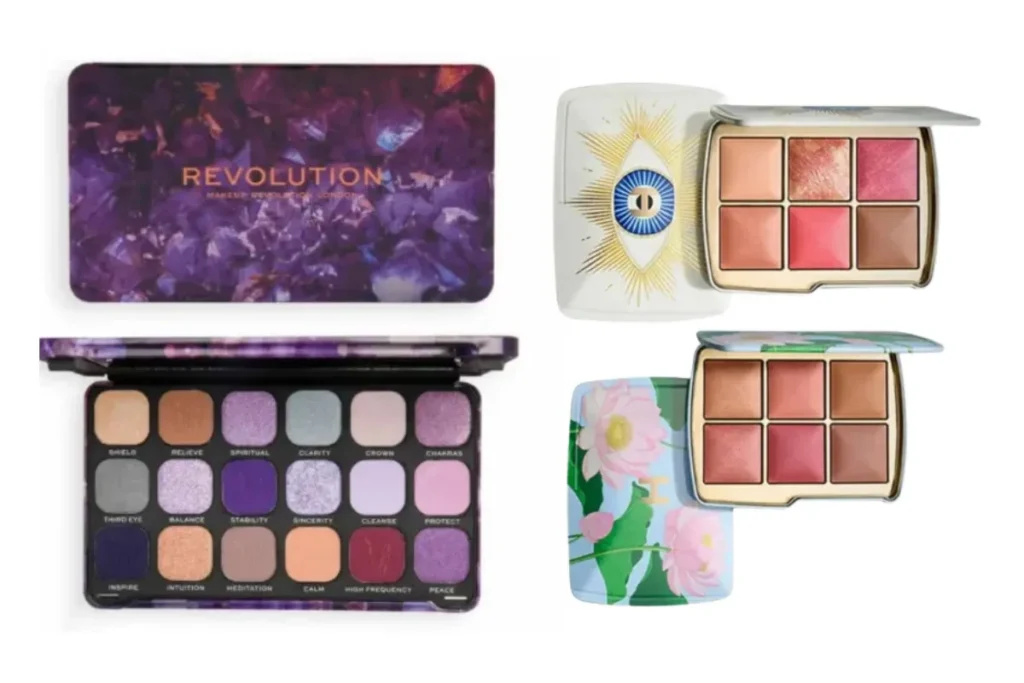
In recent years, the cosmetics market has introduced a large number of tinplates for use:
- Premium Skin Care Gift Set
- Scented Candle Metal Jar
- Perfume Packaging Tin Box
- Lip Balm & Solid Perfume Case
The light-blocking, moisture-resistant, color-printable, and durable nature of tinplate meets the requirements of cosmetic brands for “boutique packaging,” and makes the packaging itself a part of the product’s value.
2. Tobacco and e-cigarette industry: High-end, durable metal cartridges
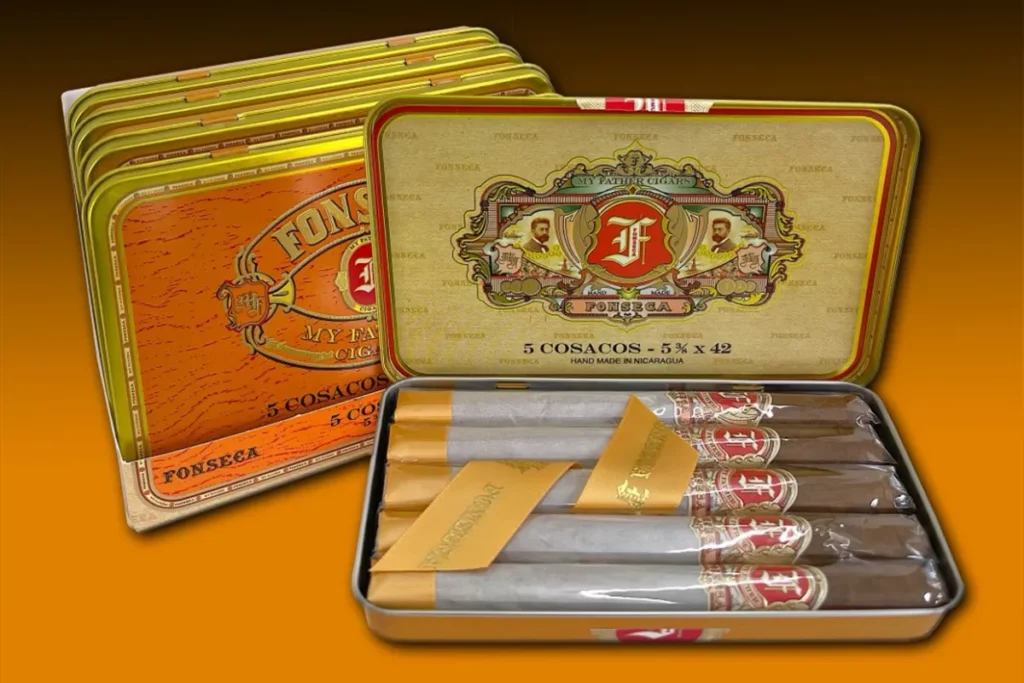
Tinplate is widely used because it is strong, moisture-proof, and keeps tobacco moist:
- High-end cigar box
- Limited Edition Cigarette Case
- Electronic Cigarettes / Heated Cigarettes in Cartridges
Metal boxes are highly collectible and resistant to pressure and drops, giving the product better texture and protection when transporting and displaying. It is part of the value of the product.
3 . Gifts, Cultural Creations and Peripherals: Highly Customizable Texture Packaging
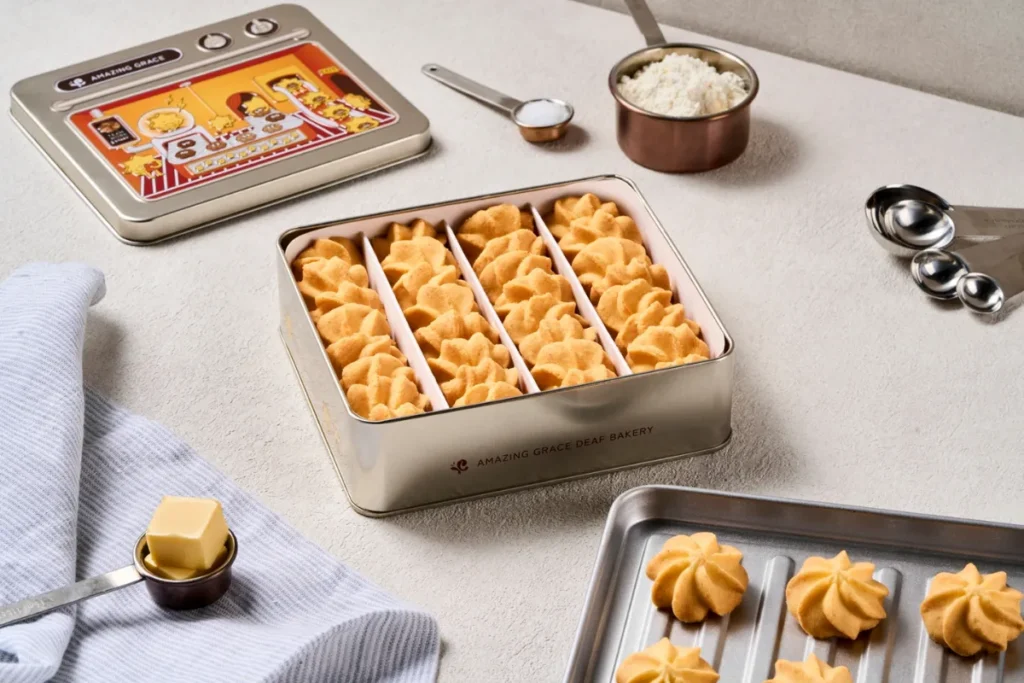
Tinplate can be molded into various shapes and printed with 360° colors, which makes it a constant winner in cultural creation and gift wrapping:
- Mooncake Gift Boxes, Festival Gift Boxes
- IP peripheral molding tin box
- Corporate commemorative metal box, anniversary gift box
- Stationery box, collection box, scent jar
The box itself is reusable and collectible, and also enhances brand memory for consumers.
4. Health food and pharmaceuticals: the first choice for high safety and high sealing requirements.
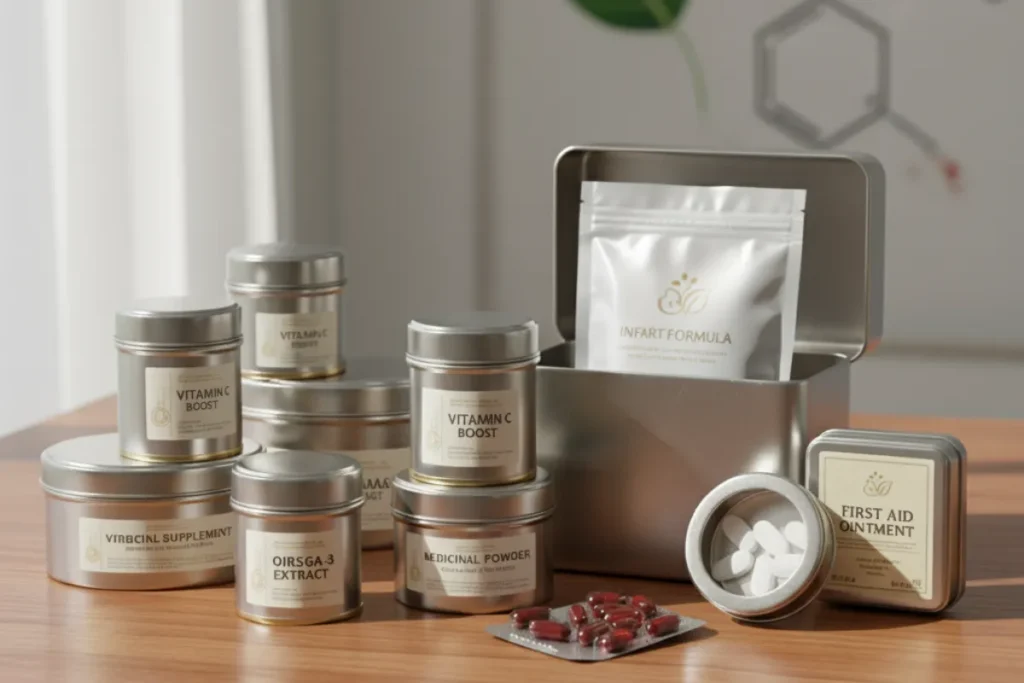
The health food and pharmaceutical industries rely heavily on sealing, moisture-proof, light-blocking, and non-toxic materials. Therefore, tinplate is commonly used:
- Vitamins, Capsules, Powders, Tin cans
- Ginseng pills, Chinese medicine pills in small metal box
- Infant milk powder cans, nutritional powder cans
- Ointment, powder packing iron box
Tinplate prevents oxidation by light and moisture damage, and is especially suitable for packaging highly sensitive ingredients.
5. Technology 3C industry: creating a technological texture and limited edition image

The brand started to use tinplate to enhance the “texture” and “collectability” of the product packaging, which is often seen:
- Limited Edition Headphone Case
- Smart Watch Gift Set
- Accessories, Cables, Mice, Keyboards in metal cases
- Special Events and Co-branded Gift Boxes
Metal packaging symbolizes the image of durability, technology and professionalism in technology brands. Wet-damaged, especially suitable for packaging of highly sensitive ingredients.
6. International Success Story: Welly OK’s Steel Box Marketing Strategy
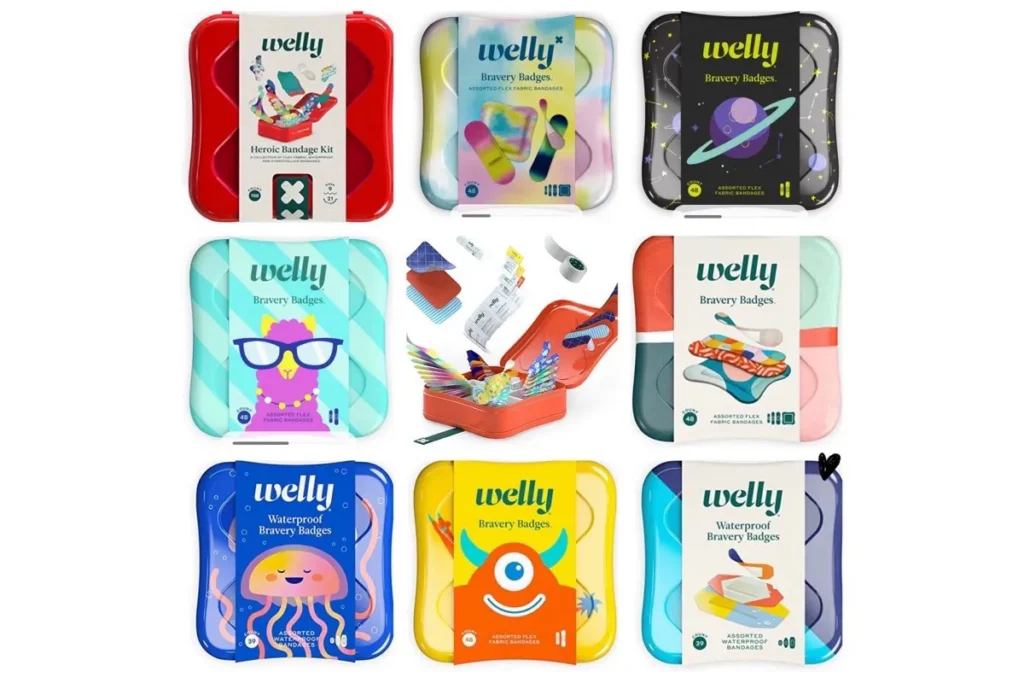
Welly OK Bandage is one of the successful tinplate business cases in the United States.
Its tin box packaging enabled the brand to exceed $10 million in sales on Amazon in its first year, due to a number of factors:
- Reusable steel box makes packaging a collector’s item and increases repurchase rate spoilage, especially for packaging with highly sensitive ingredients.
- Bright and lively colorful steel box, display effect is much better than traditional paper box.
- Different combinations according to the usage situation (home/travel/outdoor)
Tinplate packaging creates “visible texture” + “functional value” and enhances brand differentiation.
How to choose a tinplate manufacturer?
For brands, food factories and gift box vendors, choosing the right tinplate manufacturer is more important than choosing the style when introducing tinplate packaging.
When selecting tinplate related processing plants and suppliers, you can pay attention to it:
- Is the source of the material stable and certified?
- Whether to use international standard Tinplate
- Whether to have food grade, packaging materials related inspection report
- How about printing and mold capabilities?
- Availability of color printing, partial light, hot foil stamping, etc.
- Can we help you with molding, prototyping, small trial production to mass production?
- Does it understand your industry?
- Food, Tea, Coffee, Gifts, Cosmetics, Cultural and Creative Industries, different fields have different requirements for moisture barrier, light barrier and inner coating.
- Experienced vendors can help you avoid risks in advance.
- Delivery and quality management capabilities
- Availability of stable volume capacity
- Whether the quality inspection process is in place to avoid problems such as color differences in printing, poor seam sealing, and defects in the inner coating.
Frequently Asked Questions (FAQ) about Tinplate
Q: What is a tinplate?
The name “tinplate” originated in the mid-Qing Dynasty, when tin-plated steel sheets were first imported into China from Macao (pronounced “makou”), hence the name “tinplate”.
Q:Is tinplate poisonous?
Tinplate itself is non-toxic, but its safety depends on the coating inside. Qualified tin cans have a food-grade protective coating that prevents metal from coming into direct contact with the food to prevent rusting and preserve the original flavor of the food.
Q: What kind of metal is tinplate coated on a thin steel skin?
Tinplate, also known as tin-plated steel, is a metal that is coated with a layer of tin on a thin steel plate.
Q:Is tinplate an alloy?
Tinplate is a metal alloy composed of iron, carbon, nickel, molybdenum and chromium.
Q: Does tinplate rust easily?
Tinplate will rust, but it is tin-plated, so it is more rust-resistant than pure iron and will not rust easily. If the tin plating is scratched or damaged, or if it is exposed to moisture for a long period of time, the tinplate may rust.
Conclusion: Tinplate is more than just a can, it’s an upgraded option for brand packaging.
Tinplate not only plays a key role in traditional food packaging, but also shows great vitality in the emerging field of high-end packaging. From cosmetics to wine and tobacco to healthcare products, tinplates are recognized for their durability, aesthetics, and environmental friendliness in a variety of industries.
- Tinplate is a tin-plated steel sheet material.
- Rustproof, corrosion-resistant, light-blocking, printable, recyclable, etc.
- Widely used in tinplate cans, tinplate boxes, tinplate badges and other metal packaging.
- For companies that value brand texture, preservation of quality and environmental protection, tinplate is a material choice that combines function and image.
If you are considering upgrading your products from paper boxes or plastic cans to metal packaging, gift boxes or creative metal boxes, Taiyeng Metal ‘s tinplates are definitely an option worth evaluating.